
Get Squarespace order data where it actually needs to go
Squarespace takes the order and emails you about it. Parseur turns that email into data. Parseur extracts customer, line items, shipping details, and totals from each order notification and sends them through Zapier to your spreadsheet, accounting tool, or fulfilment system as the order lands.
-
Order notifications
Parseur extracts order number, customer, address, and total from the notification email, so your reporting sheet fills itself without anyone opening the store dashboard.
-
Line items as separate rows
Parseur splits repeating product rows into individual records, so a multi-item order becomes several rows in your inventory or accounting system rather than one crowded cell.
-
Fulfilment handoff
Parseur passes the parsed order to whoever actually ships it, whether that is a fulfilment tool, a supplier spreadsheet, or a chat channel in the warehouse.
How the Squarespace integration works
-
1. Create your Parseur mailbox
- Sign up and get a dedicated email address where your documents land.
-
2. Forward your emails
- Send emails manually or set up auto forwarding so every new one arrives on its own.
-
3. AI extracts the data
- Parseur reads each email and pulls out the fields you need as structured data.
-
4. Data lands in Squarespace
- Zapier picks up the parsed data and sends it to Squarespace in real time.

What is Parseur?
Parseur is a powerful document processing software to extract text from emails, PDFs and documents and automate your workflow. All Parseur features.

What is Squarespace?
Squarespace is a website builder and CMS tool to develop simple websites for small and medium businesses. Squarespace has many features and can be used to build e-commerce stores, portfolio or a landing page.

What is Zapier?
Zapier is a cloud automation tool that connects apps together. You can connect two or more apps to automate repetitive tasks without coding or relying on developers to build the integration.
Trusted for order automation in production
Barberitos, a 50-unit fast casual restaurant chain, uses Parseur to parse incoming digital orders and pass them into its Clover POS and downstream cloud apps. Automating that step cut the error margin on digital orders in half and removed the manual re-entry that caused them, the same problem an online store faces.
- Drop in Barberitos digital order error margin
- 50%
- Documents processed by Parseur since 2016
- 100M+
- Parseur rating on Capterra and GetApp
- 5/5
This is a guest post written by Andrew Davison, founder of Luhhu.
If you're one of the many people that use the Squarespace Ecommerce platform to run their online store, you might be wondering if it's possible to automate what happens after an order comes in - things like managing fulfillment, contacting customers and keeping bookkeeping software up to date.
Sadly, while Squarespace does have an integration with Zapier, it's limited to only managing form submissions and not e-commerce orders.
Thankfully, because Squarespace does send you an email when an order is received, we can use Parseur to scrape data from it and trigger an automation that way. In this post, we're going to look at how.
Getting started with Parseur
If you haven't already, go ahead and sign up. Their free plan allows you to parse up to 20 emails per month.
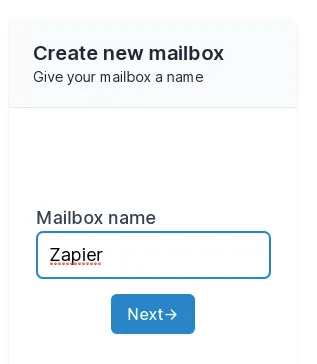
Once in, you'll want to go ahead and set up a new mailbox - this is an inbox with a Parseur address to which you'll forward (either manually, or automatically) your Squarespace emails.

Select "Custom emails" at the next prompt and then copy the unique email address it creates for you.

Then want to head to your inbox and forward across a sample order email from Squarespace. Remember to remove any email signatures that get appended to the top of the email when you're forwarding.
Creating your parser template

Once Parseur receives your email, it will be turned into a template ready for you to map fields to.
This is where the magic happens. You tell Parseur where to find the bits of data you need in the email and it knows to extract them whenever a new email is received. So as long as the layout of the incoming email doesn't change, you'll be able to set it and forget it.

Mapping fields is easy, you simply select the text you want to grab and give it a field name. You can set up as many fields as you need.

And, most importantly for an ecommerce business, you can extract line items for an order list and Parseur will grab each one separately, whether there are two or 20. Just select the whole table and create a table field for it.
When you're all done, just save the template.
Building your zap
Head over to Zapier, create a new zap, and select "Parseur" as your trigger.

For the trigger event, you'll want to select "New Document Processed (with List Items)" as this will allow you to work with line items you captured from the order table.

Next, you'll be prompted to connect your Parseur account and then test the zap trigger. All being well you'll see the fields extracted from your sample email.
Conclusion - what should you automate?
This is an open-ended question as it really depends on how your business operates and what you need to happen when an order is placed.
Do you want to add the customer to your mailing list, or in your CRM, and maybe send them an SMS or email to thank them for their order? It's all possible thanks to Zapier and the 3,000 + apps it connects to.
And, if you need some more inspiration, check out this handy guide: 101 ways to use Zapier
This post was written by Andrew Davison, founder of Luhhu - an automation agency that helps businesses large and small automate their processes with tools like Zapier.